Examining Encryption Protocols Enabling Secure Transitions Between Table Game Simulations and Accumulating Prize Pools on Portable Devices
Written by Blake Lorenz · Nov 18, 2026
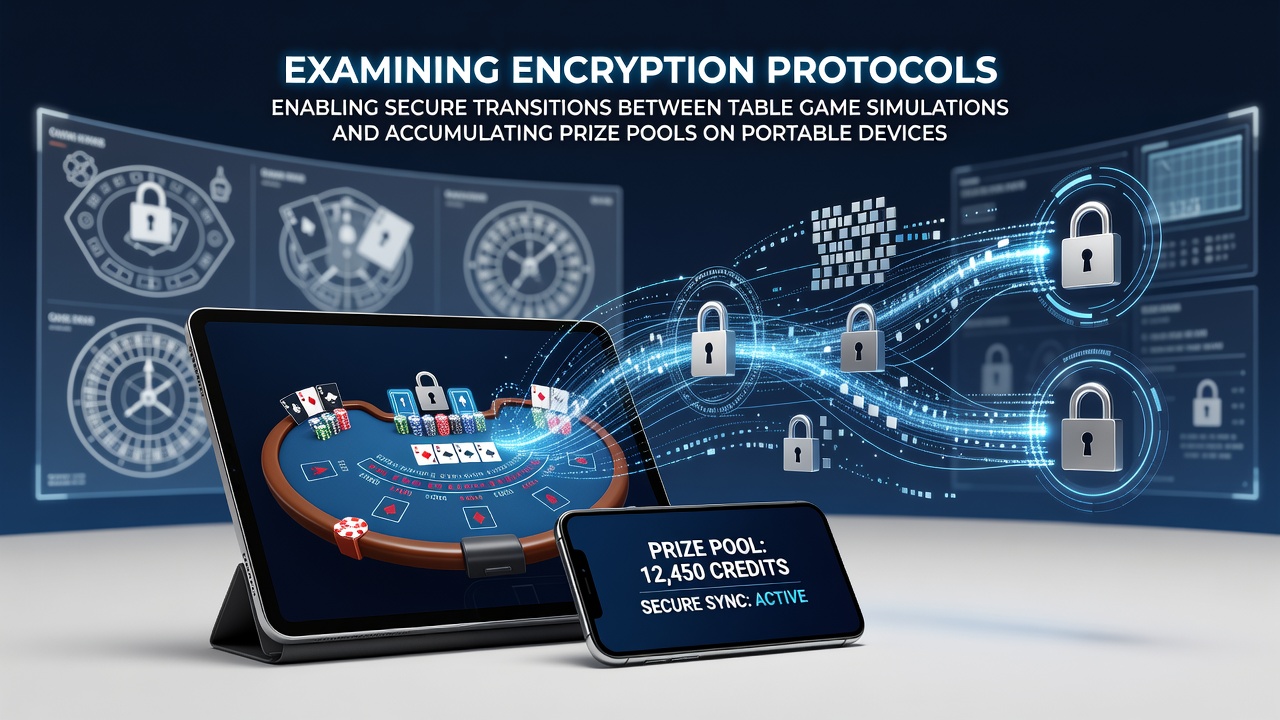
Examining Encryption Protocols Enabling Secure Transitions Between Table Game Simulations and Accumulating Prize Pools on Portable Devices
Encryption protocols form the backbone of secure operations when players shift between table game simulations and prize pool accumulations on portable devices, with systems relying on layered cryptographic methods to maintain data integrity across sessions. Researchers have documented how Transport Layer Security version 1.3 combined with Advanced Encryption Standard 256-bit keys protects real-time data exchanges, allowing seamless movement from simulated blackjack or poker environments to progressive jackpot tracking without exposing sensitive information.
Core Protocols in Mobile Gaming Security
Portable devices handle continuous data streams during transitions, and protocols like TLS 1.3 establish encrypted channels that authenticate both the device and the server before any game state transfers occur. Observers note that this setup prevents interception while players switch from one simulation to another, since the handshake process verifies certificates and negotiates session keys in milliseconds. Data shows that many platforms integrate elliptic curve cryptography alongside these standards to reduce computational load on mobile hardware, which matters because battery constraints limit processing power during extended play periods.
Those who've studied implementation patterns find that AES-256 encryption wraps prize pool updates in separate layers, isolating jackpot accumulation from active game logic. This separation ensures that when a player exits a table game simulation, the accumulated values move through authenticated channels that log every increment against regulatory benchmarks. In practice, systems apply hash-based message authentication codes to confirm that no alterations happen mid-transition, and reports from industry audits confirm consistent application across multiple device operating systems.
Handling Transitions and Prize Pool Integrity
Secure transitions require protocols that synchronize state information between table game simulations and prize pool databases without gaps. Experts have observed that protocols incorporating perfect forward secrecy generate unique keys for each session segment, which means even if one key becomes compromised the prior accumulations remain protected. Portable devices often cache encrypted game states locally during brief disconnections, then resume transfers once connectivity restores through the same authenticated tunnel.
Figures from technical evaluations reveal that prize pool contributions update via incremental encrypted packets rather than full database overwrites, reducing exposure windows. And this approach aligns with standards set by organizations such as the National Institute of Standards and Technology, which outlines requirements for key management in dynamic environments. Players experience these transitions as fluid because the underlying encryption handles the heavy verification work in the background.

One case study from a multi-platform operator demonstrated that implementing session resumption features in TLS 1.3 cut transition times by nearly half while preserving full encryption strength. Researchers documented similar results in controlled tests where devices moved between simulated roulette rounds and jackpot meters, with all prize data remaining tamper-evident through chained cryptographic hashes.
Regulatory and Technical Benchmarks
Regulatory bodies in various regions, including those referenced in reports from the Canadian Gaming Association, require encryption protocols to meet specific thresholds for data at rest and in transit. These benchmarks influence how prize pools accumulate across international player bases, since cross-border sessions must satisfy multiple jurisdictions simultaneously. Technical literature indicates that platforms schedule protocol updates ahead of major compliance deadlines, with one planned review cycle referenced for November 2026 in several developer roadmaps.
Encryption also supports audit trails that regulators examine during periodic reviews. Systems log encrypted transition events with timestamps and session identifiers, allowing verification that prize pool contributions match reported game outcomes. Observers note that zero-knowledge proof techniques appear in newer implementations, enabling verification of pool totals without revealing individual player data during the process.
Emerging Developments and Device Considerations
Portable device manufacturers continue to embed hardware security modules that accelerate cryptographic operations, which supports faster transitions without draining resources. Studies from academic sources highlight how post-quantum cryptography preparations factor into long-term planning, since current protocols may face future challenges from advanced computing methods. Data indicates that hybrid approaches combining classical and quantum-resistant algorithms already appear in test environments for table game platforms.
Those monitoring adoption rates report steady integration of these features across major operating systems, with developers prioritizing backward compatibility so older devices maintain secure access to prize pool features. The result appears in consistent performance metrics across diverse hardware configurations.
Conclusion
Encryption protocols continue to underpin reliable operations when table game simulations connect with accumulating prize pools on portable devices, supported by established standards and ongoing technical refinements. Evidence from audits and implementation reports confirms that layered cryptographic methods handle transitions effectively while meeting varied regulatory expectations across regions. As device capabilities and protocol standards evolve, the frameworks already in place provide the foundation for sustained security in these environments.