How Multi-Provider Ecosystems Are Merging Keno Mechanics with Themed Video Poker and Banking Integration for Cross-Border Players
Written by Leon Foster · Sep 23, 2026
How Multi-Provider Ecosystems Are Merging Keno Mechanics with Themed Video Poker and Banking Integration for Cross-Border Players
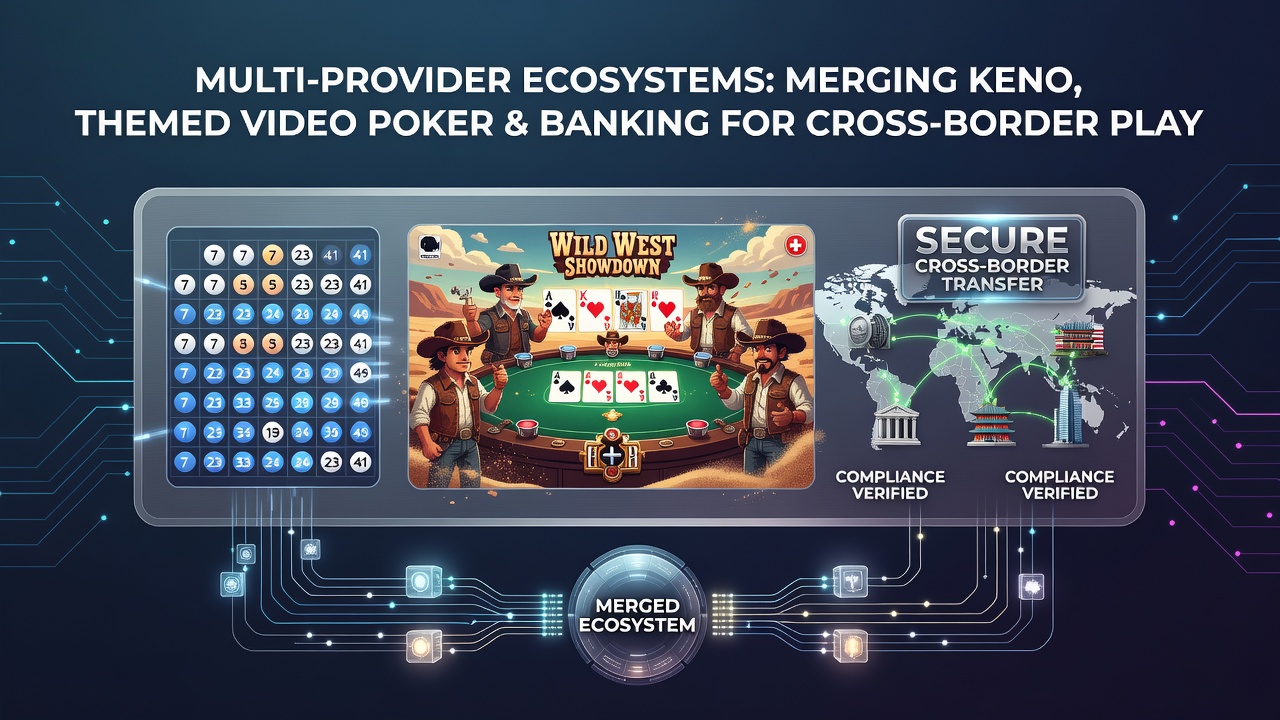
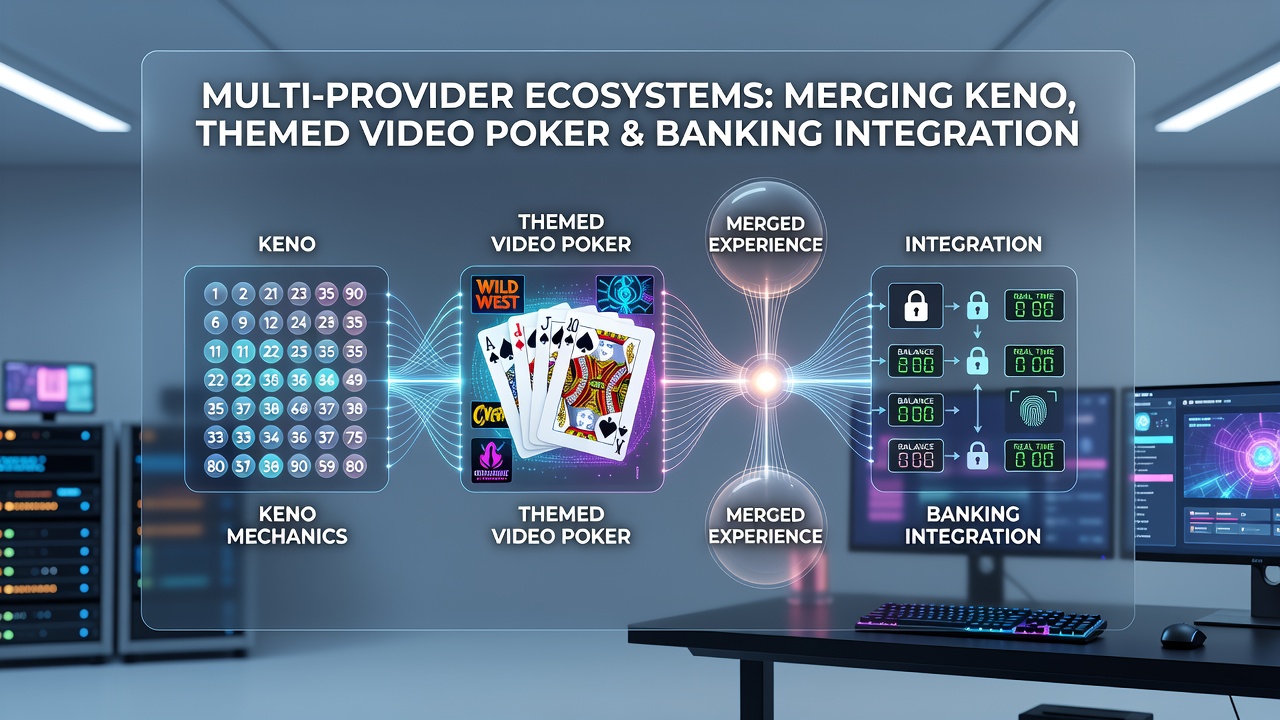
Multi-provider ecosystems now combine keno mechanics such as number selection and draw-based payouts with themed video poker variants while layering in banking integration that supports cross-border players through unified account systems. Research from industry reports indicates these platforms aggregate content from multiple software suppliers into single interfaces where players select keno numbers before entering poker rounds that carry forward those selections as bonus multipliers. Data shows the approach allows operators to serve users across jurisdictions without requiring separate wallets for each game type.
Core Mechanics of the Integration
Developers embed keno-style random number generators into video poker engines so that initial draws influence subsequent hand rankings or side bets. Themed elements wrap these hybrids in visual packages drawn from mythology or adventure settings where symbols replace traditional card suits. Observers note that providers coordinate through shared APIs to synchronize player progress across titles adn this synchronization extends to banking layers that convert balances between regional currencies in real time.
Studies from the American Gaming Association reveal that transaction volumes for integrated systems rose steadily through 2025 as operators adopted common protocols for identity verification. These protocols allow a player in one country to fund an account that then participates in sessions hosted on servers in another region while compliance checks run automatically against local rules.
Themed Video Poker Variants and Keno Crossovers
Themed video poker titles incorporate keno grids as optional overlays where matching numbers trigger additional draws or wild cards. One case documented by platform operators shows a Western-themed game in which players pick five numbers before each poker hand and correct picks award extra chips usable only within that session. Such features rely on modular code supplied by separate studios yet appear seamless because the ecosystem standardizes data exchange formats.
Figures from the Canadian Gaming Association indicate that hybrid games accounted for a growing share of session time among cross-border users who value the variety without switching applications. Banking integration handles the resulting micro-transactions by settling them through aggregated ledgers that reconcile at daily intervals rather than per game.
Banking Integration Across Borders
Payment rails within these ecosystems connect to multiple financial networks so deposits in one currency convert automatically when a player accesses content licensed under different regulations. Providers implement tokenization that masks account details while preserving audit trails required by authorities. Reports compiled by the Nevada Department of Business and Industry highlight how such systems reduced settlement times from hours to minutes for verified users operating across state lines.
Cross-border players benefit from single sign-on that carries both gaming history and banking preferences. When a session ends the system posts final balances back to the primary ledger and applies any required tax withholdings according to the jurisdiction where the activity occurred. This automation depends on pre-negotiated data-sharing agreements among the participating providers.
Regulatory and Technical Considerations in September 2026
Updates scheduled for September 2026 introduce standardized reporting templates that ecosystems must adopt to maintain licenses in multiple markets simultaneously. Technical specifications now mandate real-time logging of keno-poker transitions so regulators can trace how mechanics interact during live play. Industry groups note that these changes build on earlier frameworks established in North America and Europe and they require providers to maintain parallel compliance modules for each region served.
Operators have begun testing these templates in pilot environments where simulated cross-border traffic flows through merged keno and poker sequences. The tests measure latency introduced by banking handoffs and confirm that conversion rates remain stable under varying network conditions. Results from these trials feed into documentation submitted to oversight bodies ahead of the September deadline.
Future Developments and Ecosystem Expansion
Additional layers under development include loyalty programs that aggregate points across keno and poker activity regardless of provider origin. Banking modules will soon support stablecoin settlements for users who prefer digital assets while still routing traditional fiat flows through licensed channels. Research indicates these expansions will rely on the same modular architecture already in place and they will extend reach to new geographic segments without altering core game logic.
Conclusion
Multi-provider ecosystems continue to refine the combination of keno mechanics with themed video poker through shared technical standards and integrated banking functions. Cross-border players encounter unified experiences supported by automated compliance and settlement processes. Ongoing regulatory adjustments scheduled for September 2026 will shape how these systems scale while preserving traceability across jurisdictions.