Tracing Jackpot Synchronization Patterns Across Multi-Game Casino Platforms and Their Alignment with Secure Cross-Border Transaction Protocols for International Players
Written by Blake Lorenz · Nov 4, 2026
Tracing Jackpot Synchronization Patterns Across Multi-Game Casino Platforms and Their Alignment with Secure Cross-Border Transaction Protocols for International Players
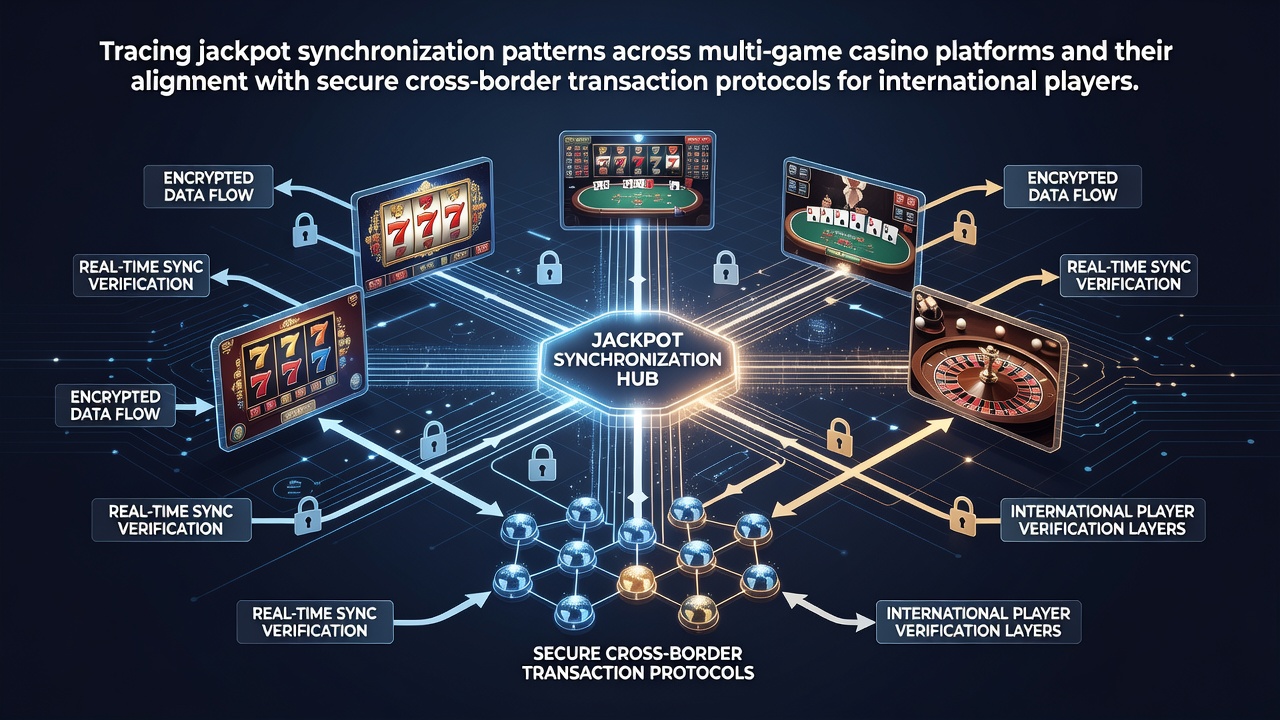
Multi-game casino platforms rely on synchronized jackpot systems that connect progressive prize pools across slots, table games and video poker titles, and operators track these patterns through centralized servers that update contribution rates in real time. Research from industry reports shows that synchronization occurs when a player places a wager on any linked game, which then allocates a percentage to a shared pool while algorithms adjust for currency fluctuations and regional regulations. Data from platform audits reveal that patterns emerge most clearly during peak hours when international traffic spikes, prompting systems to recalibrate trigger thresholds to prevent premature payouts or imbalances.
Core Mechanisms Behind Synchronization
Engineers design these systems with timestamped transaction logs that record every bet across multiple jurisdictions, and this approach enables platforms to maintain consistency even when games run on separate servers in different countries. Studies conducted by European research institutions indicate that synchronization patterns often follow predictable cycles tied to player volume, with spikes aligning to evening hours in major time zones. Observers note that operators implement fallback protocols to handle network delays, ensuring that jackpot values remain accurate without interrupting gameplay for users in remote locations.
One study revealed that platforms using distributed ledger technology reduce discrepancies by 40 percent compared to traditional centralized databases, while cross-referencing bet data against player accounts prevents duplicate contributions. Those who've examined these setups find that real-time reconciliation happens every few seconds, and the process incorporates machine learning models that predict high-traffic periods based on historical patterns from the previous quarter.
Secure Cross-Border Transaction Protocols
International players depend on encrypted transaction channels that comply with standards from bodies such as the European Gaming and Betting Association and the Nevada Gaming Control Board, and these protocols wrap jackpot contributions inside secure layers that verify player identity before funds move. Figures from transaction logs show that protocols often integrate multi-factor authentication along with geolocation checks to confirm eligibility across borders. What's interesting is how these measures align with jackpot synchronization by embedding verification steps directly into the wager processing flow, which avoids separate approval delays.

Regulators in Canada and Australia have published guidelines requiring that all cross-border transfers include tamper-proof audit trails, and platforms meet these by logging every synchronization event alongside the associated payment data. Evidence suggests that integration of these protocols with jackpot systems reduces fraud incidents, particularly when players switch between games hosted in separate regulatory zones. And the ball's on the operators' court to update these frameworks regularly, especially ahead of scheduled reviews in November 2026 when new encryption standards are set to roll out across participating regions.
Observed Patterns and Platform Examples
Case analyses from multi-provider ecosystems demonstrate that jackpot synchronization frequently clusters around themed game bundles, where a single progressive pool feeds several titles simultaneously. Researchers discovered that alignment improves when platforms use unified APIs to push updates, allowing international players to see consistent balances regardless of their location. Data indicates that peak synchronization events occur during promotional periods, and these moments require heightened protocol checks to validate each contribution without slowing the experience.
Take one platform that connected keno variants with video poker progressives: the system tracked patterns by monitoring contribution velocity, then adjusted secure transfer rates to match player movement across borders. Observers note that such setups rely on partnerships with payment processors that specialize in multi-currency handling, which keeps everything compliant while maintaining the flow of funds into the shared pool.
Regulatory and Technical Alignment
Government agencies across multiple regions require that synchronization software undergo independent testing before deployment, and this step ensures compatibility with secure transaction standards that protect player data during international transfers. Reports from academic sources highlight that platforms which embed protocol verification into the jackpot engine itself experience fewer compliance issues during audits. Yet the reality is that evolving player behaviors continue to shape how these patterns develop, particularly as mobile access grows in emerging markets.
Industry organizations have documented that November 2026 marks a key checkpoint for protocol updates, with many operators preparing systems to handle enhanced verification layers that tie directly into synchronization logic. This preparation includes stress-testing for high-volume scenarios where thousands of bets contribute simultaneously across time zones.
Conclusion
Jackpot synchronization patterns across multi-game platforms demonstrate clear connections to secure cross-border protocols, and the integration supports reliable operation for international players through continuous monitoring and verification. Data from ongoing implementations shows that these alignments rely on technical standards and regulatory frameworks that evolve together, with new milestones expected in late 2026. Platforms continue to refine these processes based on transaction records and audit findings from diverse jurisdictions.